7 Game-Changing Benefits of Campus Shuttle Programs Every University Should Know
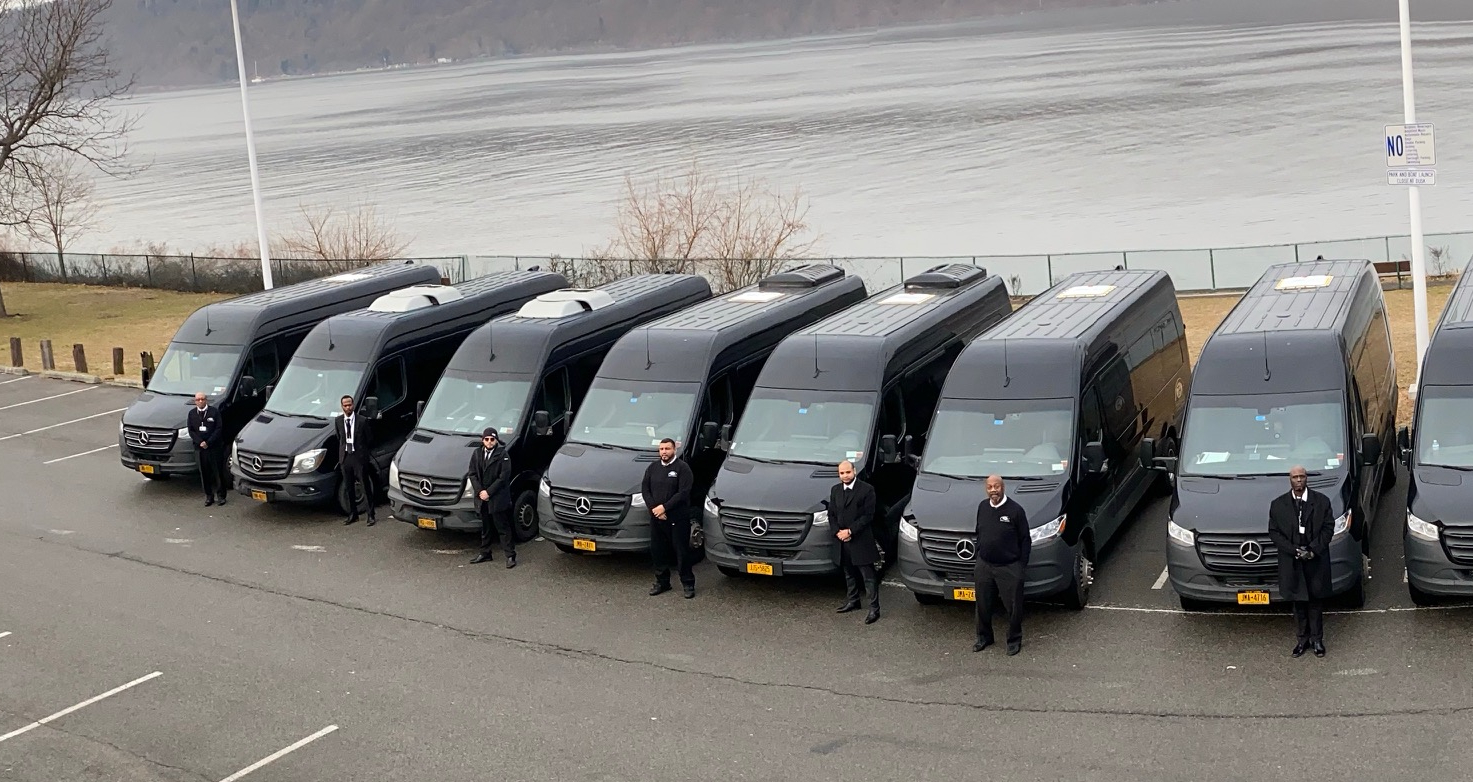
Campus shuttle programs do far more than move students from point A to point B. Today’s universities rely on shuttles to reduce parking demand, improve campus connectivity, support sustainability goals, boost student retention, and create a safer, more accessible environment. As facilities and transportation managers plan for the future, the right shuttle partner can transform mobility into a strategic advantage—balancing efficiency, cost savings, and a better student experience.
- 1. Dramatically Reduce Parking Demand and Traffic Congestion
- 2. Reclaim Land for Higher-Value Campus Development
- 3. Lower Transportation Costs Through Managed Shuttle Operations
- 4. Advance Sustainability Goals & Reduce Campus Emissions
- 5. Improve Student Success, Safety, and the Overall Campus Experience
- 5.1. Safe, Reliable Mobility That Protects Your Campus Community
- 5.2. Academic Performance and Attendance Outcomes Improve
- 5.3. Inclusive Access for All Students, Regardless of Ability or Income
- 5.4. Technology-Enhanced Convenience That Matches Student Expectations
- 5.5. A Transportation System That Strengthens Your Campus Brand
- 6. Increased Campus Connectivity and Seamless Movement Between Points of Interest
- 7. Data-Driven Planning for a More Efficient Future
- Shuttle Programs Are No Longer a Luxury—They’re a Strategic Asset
1. Dramatically Reduce Parking Demand and Traffic Congestion
Parking remains one of the most expensive and politically sensitive challenges on any university campus. Constructing a single structured parking space can cost $25,000–$60,000+, and that figure excludes long-term maintenance, security staffing, lighting, and resurfacing. As enrollment grows and land becomes more constrained, simply “building more parking” is no longer a sustainable option.
A strategically designed campus shuttle program reduces pressure on parking infrastructure by:
- Decreasing single-occupancy vehicle trips into core campus zones
- Increasing turnover in high-demand lots used by faculty, staff, and visitors
- Enabling remote and satellite parking strategies, allowing universities to shift parking footprints away from premium academic areas
- Providing predictable first-mile/last-mile mobility, making it more attractive for students to leave cars at home
Where shuttle programs used to be static, modern university transit now relies on routing software, ridership analytics, and GPS-based performance monitoring. These tools allow managers to:
- Identify peak vs. off-peak congestion windows
- Adjust headways proactively during class-change periods
- Right-size vehicles based on demand (e.g., switching from minibuses to 40-ft shuttles during peak periods)
- Refine stop locations to improve flow and reduce pedestrian/vehicle conflict points
This data-driven approach not only reduces operational costs, but also improves the campus mobility experience—creating a safer, more efficient environment without adding a single new parking space.
2. Reclaim Land for Higher-Value Campus Development
When fewer students drive, universities unlock acres of land previously dedicated to surface lots.
Facilities leaders can reallocate these spaces for:
- Academic or research buildings
- Student housing
- Outdoor study areas
- Bike lanes and micro-mobility hubs
- Green spaces that improve campus wellness
Shuttles don’t just solve parking—they reshape the physical footprint of the campus around student life and institutional priorities.
3. Lower Transportation Costs Through Managed Shuttle Operations
Owning, operating, and maintaining a fleet is expensive—and unpredictable. That’s why many universities outsource shuttle operations to professional transportation providers.
Partnering with a contractor reduces:
- Capital expenses (vehicle purchasing, charging infrastructure, fleet expansion)
- Operating expenses (fuel, insurance, maintenance, repairs)
- HR costs (driver hiring, training, compliance, scheduling)
- Risk exposure (accidents, regulatory issues, driver shortages)
A managed shuttle program transforms transportation into a fixed, predictable budget line—while improving reliability through professional dispatching, performance reporting, and 24/7 oversight.
4. Advance Sustainability Goals & Reduce Campus Emissions
Sustainability is now a core KPI for higher education. Shuttle programs directly support carbon-reduction strategies by:
- Removing hundreds of daily car trips
- Reducing fuel consumption and emissions
- Supporting EV and hybrid fleet adoption
- Lowering noise pollution across campus
Modern operators provide emissions reporting, electrification roadmaps, and alternative-fuel options—helping universities hit climate-action benchmarks and communicate measurable progress to students, alumni, and accreditation bodies.
Recommended read: How To Evaluate Alternative Fuel Fleets
Taking advantage of the quality university shuttle service not only means a smaller carbon footprint but also less fuel consumption, which is definitely a big thing nowadays. Greatly reduced air pollution & environmental noise are other benefits that can be easily achieved by making shuttle bus programs part of the growth strategy.
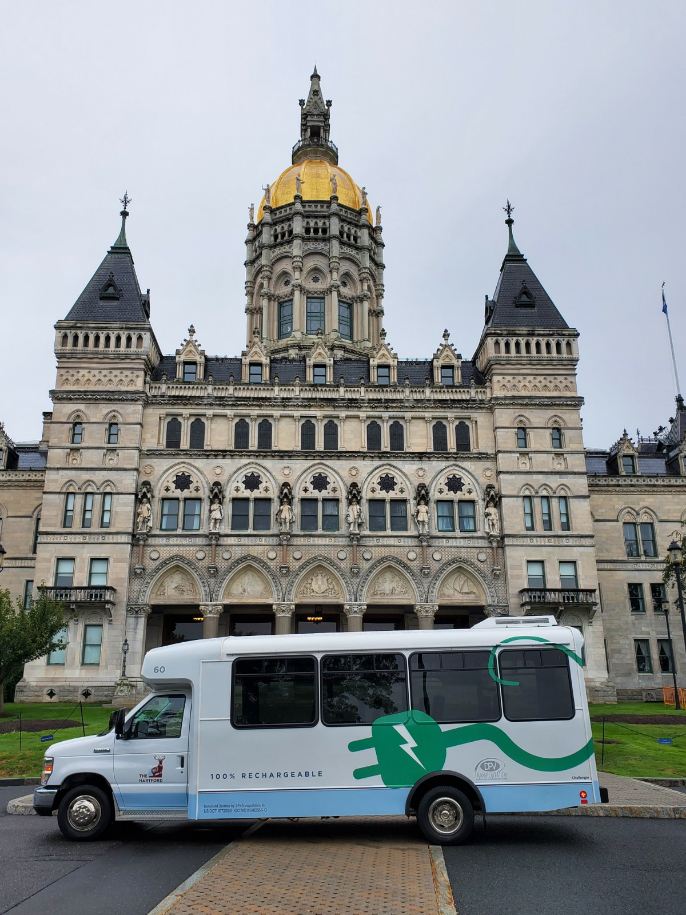
No doubt, such programs are great for saving money, which is very important for every university. However, they are equally great for creating a healthier environment both on a local and global scale.
5. Improve Student Success, Safety, and the Overall Campus Experience
Transportation is directly tied to student retention, access, and equity. Long or unreliable commutes disproportionately impact commuter students and evening-class populations.
Transportation plays a pivotal role in student life and academic outcomes. When mobility is unreliable, students arrive late, miss classes, struggle to balance work and school, and feel less connected to the campus community. For commuter students, low-income students, students with disabilities, and evening-class populations, transportation challenges can become barriers to persistence and graduation.
A well-designed university shuttle program directly supports your institution’s mission by increasing equity, safety, and accessibility across your entire campus ecosystem.
5.1. Safe, Reliable Mobility That Protects Your Campus Community
DPV builds university shuttle systems that prioritize safety at every level—vehicle, operator, routing, and real-time oversight.
Your students benefit from:
- Late-night safety loops connecting libraries, residence halls, parking lots, and transit hubs
- On-demand shuttles for high-risk time periods
- ADA-compliant vehicles with lifts, ramps, and priority seating
- Professional drivers who undergo background checks, recurrent safety training, and campus-specific orientation
A safe campus begins with safe transportation.
5.2. Academic Performance and Attendance Outcomes Improve
When transportation is predictable, students can be present—physically and mentally.
DPV’s reliable shuttle operations:
- Reduce commute-related lateness
- Lower stress before exams and important academic events
- Improve access to tutoring centers, advising appointments, and labs
- Help commuter students engage more fully in campus life
Improved attendance is one of the strongest predictors of retention and graduation. A frictionless mobility program becomes an academic success strategy—not just a transportation solution.
5.3. Inclusive Access for All Students, Regardless of Ability or Income
Transportation equity is now a core priority for modern universities. DPV’s mobility programs ensure that every student—whether living on campus, commuting, or navigating mobility challenges—has consistent and equitable access to classrooms and resources.
We support inclusion through:
- Wheelchair lifts and ADA-compliant shuttle options
- Priority seating for students with medical needs
- Routes designed with accessibility and walkability in mind
- Coordination with disability services for individualized support
A campus cannot be truly inclusive if its mobility system leaves some students behind.
5.4. Technology-Enhanced Convenience That Matches Student Expectations
Today’s students expect real-time information and digital tools that simplify their day.
DPV integrates technology that enhances the campus experience, including:
- Real-time bus tracking via mobile app
- Live ETAs at shuttle stops and on digital signage
- Dynamic route maps with stop-level details
- Push notifications for delays, detours, or service changes
- Ridership analytics that allow universities to improve service design
These tools reduce uncertainty, shorten wait times, and help students plan their day—mirroring the transportation experience they already expect from services like public transit and ride-sharing apps.
5.5. A Transportation System That Strengthens Your Campus Brand
Reliable transportation makes the campus feel connected, safe, and easy to navigate. The result is a stronger sense of belonging, improved student satisfaction scores, and a more competitive offering for prospective students and families.
A modern shuttle system isn’t just a service.
It’s an extension of the campus experience—and a reflection of your institution’s commitment to student success.
These features create the kind of frictionless transportation experience students expect today.
6. Increased Campus Connectivity and Seamless Movement Between Points of Interest
Large and multi-campus universities often struggle with:
- Long walking distances
- Remote research facilities
- Off-campus housing
- Athletic complexes
- Satellite campuses
Shuttle networks close these gaps, providing predictable headways, clear routing, and the ability to dynamically adjust schedules based on ridership analytics, seasonality, and academic calendar variations.
7. Data-Driven Planning for a More Efficient Future
Modern shuttle contractors use data to improve service quality, including:
- Ridership counts
- Peak-time demand modeling
- Route optimization
- On-time performance (OTP) reports
- Heatmaps of stop usage
Facilities and transportation managers finally get actionable insights to plan budgets, routes, and staffing with confidence.
Recommended read: How Campus Shuttle Buses Improve Student Safety and Accessibility
Shuttle Programs Are No Longer a Luxury—They’re a Strategic Asset
A best-in-class campus shuttle program improves safety, sustainability, mobility, and student success. For universities competing on experience, retention, and operational efficiency, selecting the right shuttle partner is one of the most impactful decisions a facilities or transportation manager can make.
Sources: